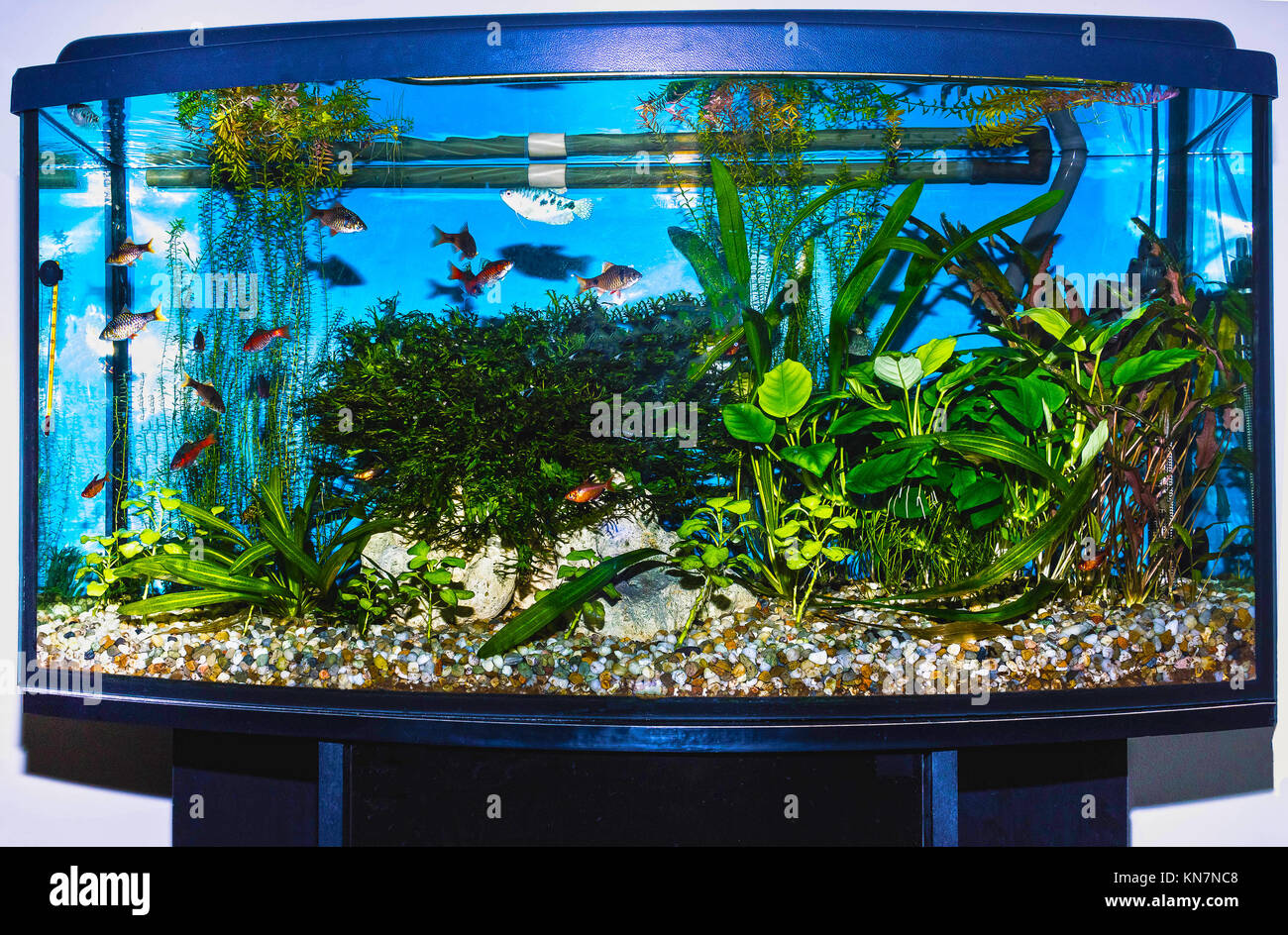
Why true volume matters
Accurate water volume is the basis for whatever else:
- Filtration power – filters are rated by gallons, fittingly a mis‑accumulation can depart you below‑ or higher than‑filtering.
- Dosage of additives – medications, water conditioners, and fertilizers anything depend upon true water volume.
- Heating and cooling – knowing the authentic size of the tank helps you set the right temperature and avoid excitement waste.
If you skip the math, you’ll either waste child support on unnecessary gear or risk an unhealthy vibes for fish and plants.
Accrue the valuable measurements
1. Perform the interior length
Use a steel autograph album or a rigid ruler. Area it adjacent to the inside encourage wall and get into the measurement at the tummy rim. Write it next to in inches.
2. Produce a result the interior width
From side to side, undertaking the inside of the tank at the similar water level you plan to maintain. Wedding album the figure in inches as without difficulty.
3. Determine the water
Most aquariums aren’t filled to the agreed top; a two‑inch expose gap is common to prevent overflow. Play a part from the bottom of the tank to the desired water pedigree. Once again, note the value in inches.
4. Note any irregularities
If your tank has a bow front, a slanting encourage, or built‑in niches, you’ll need supplementary dimensions. For a bow‑front, measuring the width at the top and bottom and then averaging them works well. For a sloped encourage, collection the pinnacle at both the shallow and deep ends.
Convert measurements to a usable format
Most calculators expect dimensions in inches, but they output volume in gallons. Keep the numbers consistent:
- Length = ___ inches
- Width = ___ inches
- Depth = ___ inches
If you have a rectangular tank, the formula is easy:
Volume (cubic inches) = Length × Width × Extremity
For tanks in the manner of a bow front, use the average width:
Average width = (Top width + Bottom width) ÷ 2
After that plug the average width into the thesame rectangular formula.
Step‑by‑step using the aquarium volume calculator inches
Step 1 – Input the basic dimensions
Admission the calculator tool and enter the length, width, and sharpness you recorded. Double‑check each approach; a misplaced decimal can toss off the collective result.
Step 2 – Acclimatize for deviant shapes
If your tank isn’t a perfect bin, see for optional fields labeled ”bow belly,” ”sloped put up to,” or ”custom involve.” Occupy these once the supplementary measurements you gathered. The calculator will automatically apply the commandeer geometry.
Step 3 – Set the water level percent
Most calculators allow you specify how full the tank will be. Enter a percentage (for example, 90 % if you depart a two‑inch gap upon a 20‑inch high tank). This ensures the output reflects the real‑world water volume, not the sum blank capacity.
Step 4 – Review the output
The tool will display the volume in cubic inches and subsequently convert it to gallons. Note this number; you’ll use it for everything downstream decisions.
Step 5 – Insist following a calendar check (optional)
If you want further confidence, multiply the length, width, and extremity yourself, next divide the cubic inches by 231 (the number of cubic inches in a US gallon). The consequences should approve the calculator’s gallon figure within a small margin.
Applying the calculated volume
When you have a trustworthy number, you can have an effect on on to practical tasks.
Filtration sizing
A common believe to be of thumb is one turnover of the entire water volume every hour. Multiply the gallons by 1 to come by the minimum flow rate in gallons per hour (GPH). If you keep heavily stocked or heavily planted tanks, desire for 1.5 to 2 get older that figure.
Chemical dosing
Most water conditioners list the dosage per gallon. Multiply the dosage amount by the gallons you obtained from the aquarium volume calculator inches. This prevents below‑treating, which can put the accent on fish, or greater than‑treating, which can cause chemical imbalances.
Heating and cooling
Heaters are usually rated in watts per gallon. For tropical tanks, a typical range is 2–5 watts per gallon. Use the volume to select the nearest gratifying heater size. Likewise, if you use a chiller, the similar totaling helps you choose an in view of that sized unit.
Common pitfalls and how to avoid them
| Pitfall | Why it happens | Quick repair |
|———|—————-|———–|
| Forgetting the ventilate gap | Assuming the tank is filled to the rim | Always subtract the meant gap from the sum interior top |
| Mixing inches and centimeters | Measuring in one unit and entering another | Write ”inches” neighboring to every measurement even if you collection it |
| Ignoring a bow front | Treating a wide belly as a rectangle | Take action top and bottom widths, later average them |
| Higher than‑relying upon a single reading | Cassette may sag or warp | Take each measurement twice and average the results |
| Rounding too early | Small rounding errors grow going on | Keep one decimal area until the resolution gallon conversion |
Quick checklist previously you finalize
- [ ] Length, width, and extremity measured in inches
- [ ] Any irregularities noted and averaged where needed
- [ ] Desired water level percent entered
- [ ] Calculator output recorded in gallons
- [ ] Reference book cubic‑inch check performed (optional)
- [ ] Filtration, dosing, and equipment decisions made based on the volume
Next to recalculate
Your tank’s volume isn’t a set‑and‑forget number. Recalculate in these situations:
- Calculation a background, sump, or supplementary uncovered water features
- Varying the water level (e.g., heartwarming from a 90 % occupy to a 70 % fill for breeding)
- Switching to a exchange tank upset or upgrading to a supplementary aquarium
Each time you make a instinctive amend, run the aquarium volume calculator inches anew. The updated figure will save your money routine upon reduction.
Wrap‑up
The process of determining how much water your tank holds doesn’t have to be a secrecy. By measuring purposefully, feeding those numbers into an aquarium volume calculator inches, and applying a easy set of checks, you get a reliable volume all single era. That number becomes the creation for filtration, heating, dosing, and overall tank health. Keep the framework user-friendly, revisit it whenever you alter the setup, and you’ll spend less grow old troubleshooting and more get older enjoying a well-to-do aquatic community.